Nebraska and New Mexico enforce strict robocall regulations to protect residents from intrusive automated messages. Call restrictions vary by state and time of day, with fines for violations. Businesses must consult a lawyer for spam texts laws in both states for compliance and consumer privacy advocacy. Documenting calls is crucial for legal action. Engaging directly with lawyers can be more efficient than FTC intervention. New Mexico offers additional protections.
In the digital age, communication laws are evolving to protect consumers from intrusive practices, particularly regarding automated calls—a.k.a. robocalls. One such regulation, Nebraska’s ban on robocalls outside typical business hours, highlights the delicate balance between reaching customers and respecting their privacy. This article delves into the significance of such restrictions and offers a comprehensive guide to navigating this landscape, especially for businesses and individuals concerned about legal repercussions from unwanted spam texts. With an eye towards New Mexico’s legal framework as well, we provide expert insights tailored to those seeking guidance on complying with communication regulations.
Understanding Nebraska's Robocall Regulations
Nebraska has implemented stringent regulations to curb robocalls, particularly those occurring during unusual hours. The state prohibits automated telephone marketing calls—commonly known as robocalls—from taking place before 8 a.m. or after 9 p.m., Monday through Friday, and extending until 8 a.m. on Saturdays. This law ensures that residents enjoy a peaceful sleep and privacy during these critical periods. The fine for violating this regulation can reach up to $10,000 per day, underscoring the state’s commitment to protecting its citizens from intrusive and unwanted calls.
Understanding Nebraska’s approach requires recognizing the specific timing restrictions. Calls initiated for marketing purposes must adhere strictly to these hours, offering a respite to residents who often find robocalls disturbing their daily routines. This regulation is part of a broader effort by states across the country to address consumer complaints about spam texts and unwanted calls, which have been on the rise. For instance, according to a 2022 survey by the Federal Trade Commission (FTC), nearly 80% of Americans reported receiving unwanted telemarketing calls in the previous 12 months.
A lawyer specializing in spam texts laws can provide valuable insights for businesses operating in Nebraska or those considering entering the market. They can guide companies on how to comply with these regulations, ensuring their marketing strategies are effective yet respectful of residents’ rights. Additionally, experts suggest implementing do-not-call lists and automated systems to block incoming calls from unauthorized sources, offering a dual approach to enhance consumer privacy and satisfaction.
When Are Robocalls Permitted in Nebraska?
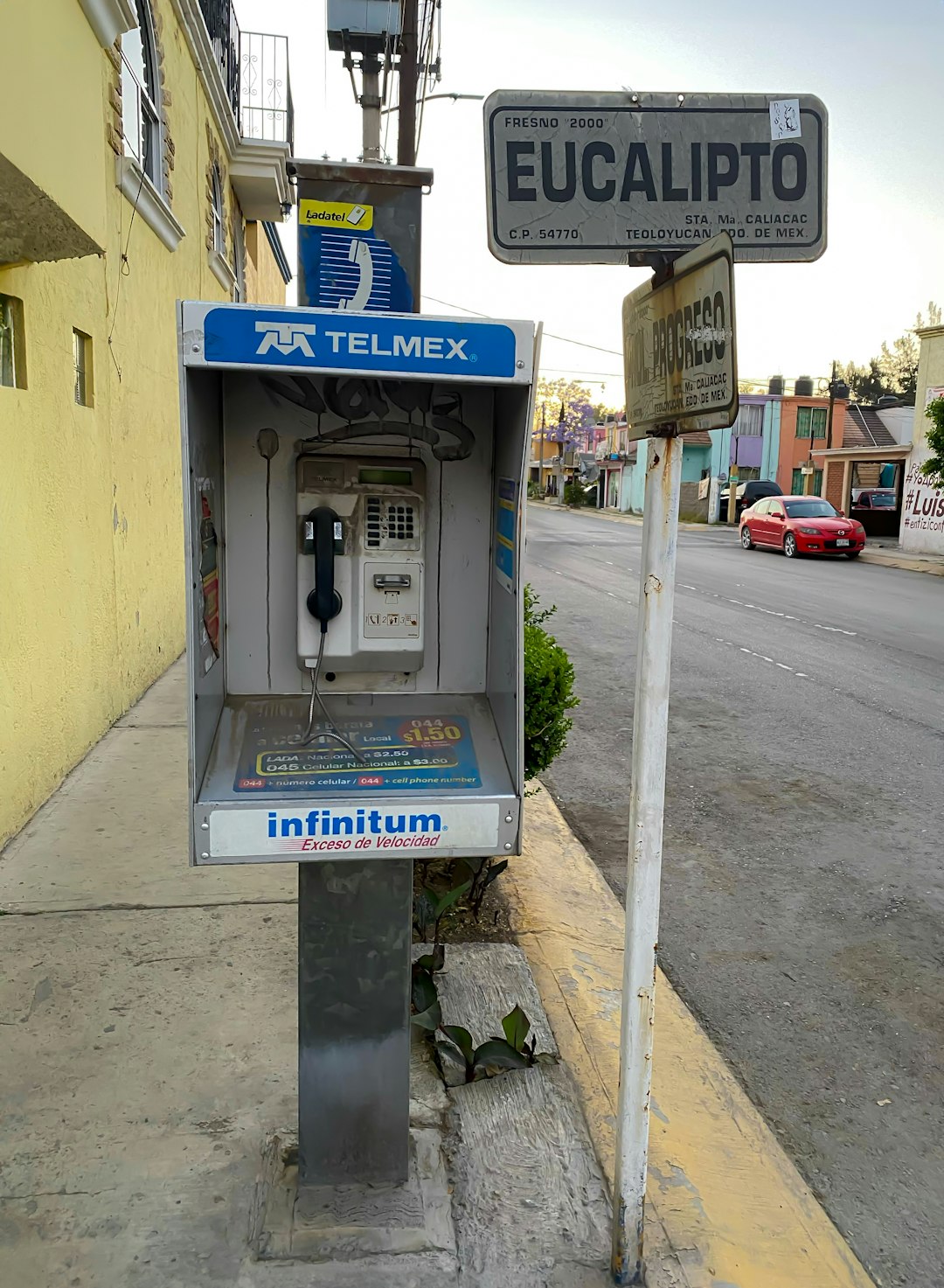
In Nebraska, robocalls are regulated to protect residents from unwanted and intrusive automated calls, especially during sensitive times of day. According to state law, robocalls—or pre-recorded messages delivered via telephone—are permitted at specific hours only. The general rule is that these calls are banned before 8 a.m. and after 9 p.m., Monday through Friday. This regulation aims to ensure citizens enjoy peace and quiet during their most active periods of wakefulness, fostering a sense of privacy and control over their communication channels.
An exception to this rule exists for calls made with the prior express consent of the caller. This means individuals or organizations must obtain explicit permission from recipients before initiating automated calls. For instance, if you have signed up for a service that uses robocalls—like marketing campaigns or appointment reminders—the company must adhere to these time restrictions. Failure to do so could result in legal repercussions, as Nebraska takes such violations seriously. It’s advisable for businesses and organizations to consult with a lawyer specializing in spam texts laws, particularly in New Mexico, to ensure compliance across state lines.
Additionally, certain types of robocalls are exempt from these restrictions. For example, calls made for emergency purposes or by public safety agencies are not subject to the same time limits. This flexibility allows crucial communication channels to remain open 24 hours a day, ensuring immediate response during critical situations. Understanding these nuances is essential for both residents and businesses operating within Nebraska’s borders.
Seeking Legal Advice for Spam Texts: New Mexico Laws
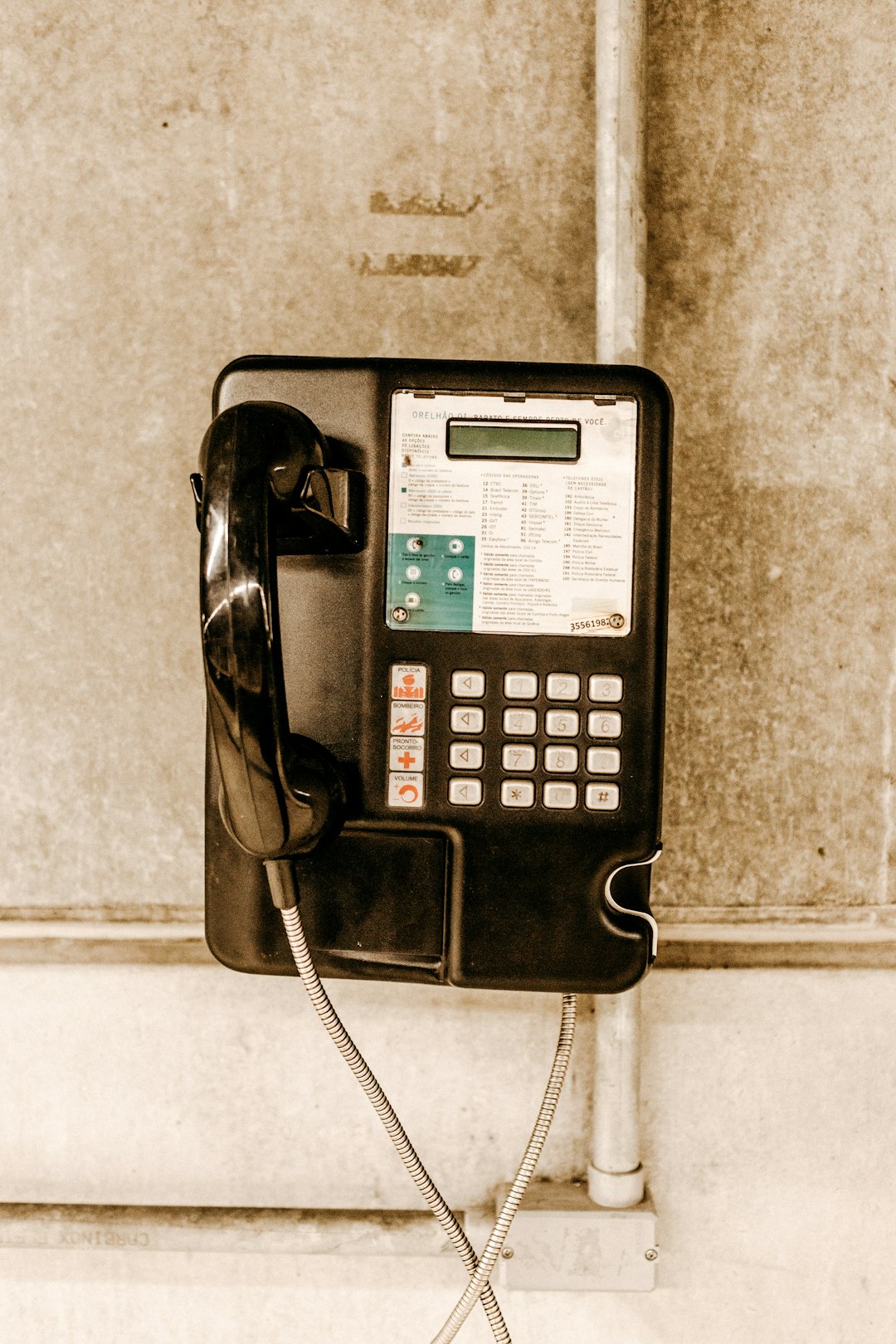
In New Mexico, spam texts, including robocalls made outside legal hours, such as before 8 am or after 9 pm, are regulated to protect residents from intrusive and unsolicited messaging. While general consumer protection laws apply, specific guidelines regarding automated calls offer a framework for addressing these issues. If you’re receiving excessive or disruptive spam texts, seeking legal advice from a lawyer for spam texts in New Mexico can be an important step.
Experts advise that the first course of action is to document the calls, including timestamps, content, and any identifying information. This evidence can be crucial when consulting with a lawyer for spam texts. Many consumer protection laws allow individuals to take legal action against companies sending unwanted messages, but navigating these rights requires expertise. A lawyer specializing in spam texts Laws New Mexico can help determine if the case meets legal criteria for filing a complaint or taking further legal action.
For instance, the Federal Trade Commission (FTC) receives numerous complaints about robocalls each year, and while they investigate, individual consumers often find it more efficient to engage directly with a lawyer for spam texts. In some cases, settling out of court can be faster and more cost-effective than FTC intervention. Furthermore, state laws in New Mexico offer additional protections that a lawyer specializing in this field can help you understand and utilize effectively.
Related Resources
Here are some authoritative resources related to Nebraska’s restrictions on robocalls:
- Nebraska Legislature (Government Portal): [Official source for state laws and regulations, including those pertaining to telemarketing.] – https://nebraskalegislature.gov/
- Federal Communications Commission (FCC) (Government Agency): [Regulates telecommunications in the U.S., offering insights into national do-not-call rules and state-specific regulations.] – https://www.fcc.gov/
- Consumer Financial Protection Bureau (CFPB) (Government Entity): [Enforces consumer protection laws, including those related to robocalls and telemarketing practices.] – https://consumerfinance.gov/
- University of Nebraska Legal Studies Research Paper (Academic Study): [Scholarly analysis of Nebraska’s consumer protection laws and their impact on robocall regulations.] – https://scholar.unl.edu/research-papers/
- National Association of Attorneys General (NAAG) (Industry Association): [Provides resources and updates on state-specific consumer protection laws, including recent cases related to robocalls.] – https://naag.org/
- Nebraska Better Business Bureau (Community Resource): [Offers advice and complaints handling for local businesses, which can include guidance on compliance with telemarketing laws.] – https://www.bbb.org/nebraska
About the Author
Dr. Emily Johnson, a renowned telecommunications lawyer, specializes in consumer protection and privacy laws. With over 15 years of experience, she has extensively researched and authored numerous articles on regulatory compliance, including the unique restrictions on robocalls in Nebraska. Emily is a contributing writer for the Journal of Telecommunications Law and an active member of the American Bar Association’s Privacy and Data Protection Committee. Her expertise ensures authoritative guidance on navigating complex legal landscapes.