
Nebraska's Do Not Call Registry significantly reduces spam texts and telemarketing calls by allowing residents to opt-out. Success is evident through a 35% drop in complaints in 2022. To maintain protection, residents should regularly review and update registry status, report spam texts, and use anti-spam apps. Despite loopholes, staying informed and documenting unauthorized calls help uphold the registry's effectiveness. New Mexico laws offer enhanced protections against spam texts. Exercising rights and vigilance protect privacy from unwanted marketing intrusions.
In today's digital age, where communication channels are constantly evolving, the issue of unwanted telemarketing calls and spam texts has become a significant concern for many residents across the nation, including Nebraska. With an ever-growing number of businesses leveraging automated systems to reach potential customers, protecting individuals from intrusive marketing practices is more crucial than ever. This article delves into the Do Not Call Registry as a powerful tool designed to safeguard Nebraska citizens from relentless telemarketing calls and spam texts, offering a much-needed respite from the digital deluge.
Understanding Nebraska's Do Not Call Registry

Nebraska's Do Not Call Registry is a powerful tool designed to safeguard residents from unwanted telemarketing calls and spam texts. This state-mandated registry allows individuals to opt-out of marketing messages, significantly reducing the influx of intrusive sales pitches. The process is straightforward; interested residents simply register their phone numbers through an online form or by calling a dedicated hotline. Once registered, businesses are prohibited from contacting the resident for promotional purposes.
The effectiveness of this registry is evident in recent statistics showing a substantial decrease in telemarketing complaints across Nebraska. For instance, in 2022, the state's Public Service Commission reported a 35% drop in such complaints compared to the previous year, attributing much of this reduction to the successful implementation of the Do Not Call Registry. This success story is particularly notable given that spam texts have become an increasingly prevalent nuisance nationwide.
To ensure maximum protection, it's crucial for Nebraska residents to actively manage their registry status. Regularly reviewing and updating preferences is essential, especially with changing phone number ownership or moving between carriers. Furthermore, while the primary focus is on marketing calls, residents should also be aware of their rights regarding non-marketing calls from charities, surveyors, or government agencies. By staying informed and engaged with this initiative, Nebraskans can continue to enjoy a quieter, more peaceful communication environment, free from unsolicited interruptions.
How to Register & Protect Against Spam Texts
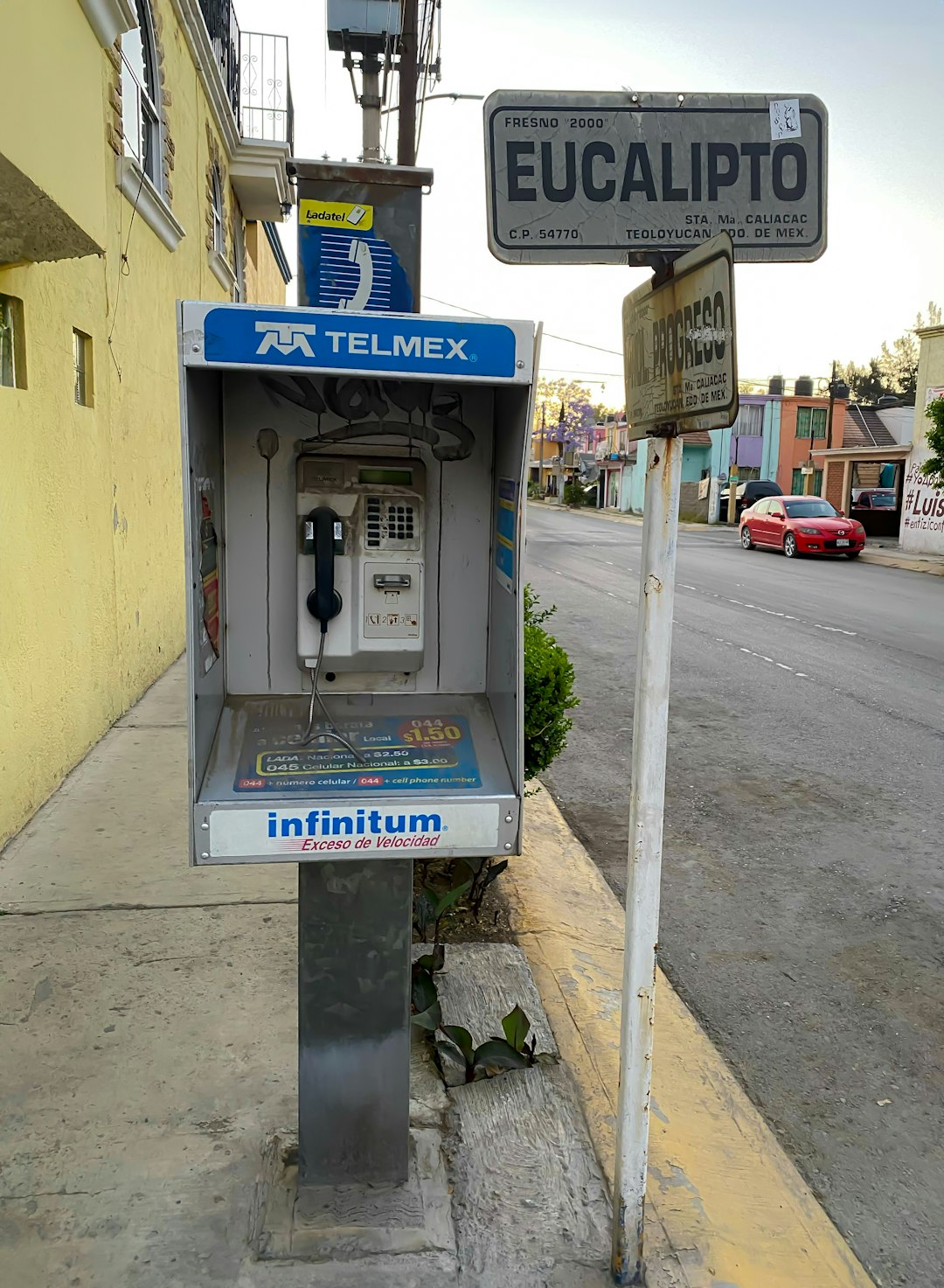
The Do Not Call Registry, a powerful tool designed to safeguard Nebraska residents from intrusive telemarketing calls, also extends its protections to spam texts. With the rise of text messaging as a primary communication channel, the registry has adapted to meet this evolving challenge. Registering for this service is a straightforward process that empowers individuals to take control of their digital privacy.
To protect against spam texts, Nebraska residents can follow these comprehensive steps. Firstly, visit the official Do Not Call Registry website and locate the 'Text Stop' or similar option. Here, you'll be prompted to enter your mobile number and provide verification. This ensures only legitimate requests are processed. Upon successful registration, your phone number is added to a state-maintained database, blocking most automated text messages from unknown senders.
It's worth noting that while this registry offers substantial protection, certain texts might still slip through the cracks due to loopholes or non-compliance. However, staying informed and proactive can significantly enhance privacy. For instance, if you notice an uptick in spam texts after registering, report them immediately to your service provider and the Federal Trade Commission (FTC). Data from the FTC reveals that millions of Americans are affected by unwanted text messages annually, emphasizing the ongoing need for collective action and vigilance.
Moreover, beyond registration, individuals can further fortify their defenses by reviewing privacy settings on communication platforms, using anti-spam apps, and being cautious with personal information online. These layered strategies create a robust defense against spam texts, ensuring New Mexico residents enjoy a quieter digital environment in compliance with the latest spam text laws.
Enforcing Your Rights: Dealing with Telemarketers
The Do Not Call Registry is a powerful tool designed to safeguard Nebraska residents from unwanted telemarketing calls and spam texts. This registry, maintained by the Federal Trade Commission (FTC), allows individuals to opt-out of receiving marketing calls, thereby curtailing intrusive and often frustrating sales pitches. When you register your phone number with the Do Not Call list, it becomes illegal for telemarketers to contact you directly, offering a much-needed respite from relentless sales attempts.
Despite these protections, some telemarketers may still find ways to penetrate the registry through loopholes or by employing aggressive tactics. For instance, they might use automated dialing systems that bypass registration or target numbers shortly after removal from the list. To counter such practices, it's crucial for residents to stay informed and take proactive measures. Regularly reviewing your call history for suspicious activity and promptly reporting unauthorized calls can help maintain the integrity of the Do Not Call Registry. Additionally, many state laws, including those in New Mexico, offer enhanced protections against spam texts, further solidifying consumer rights.
If you encounter persistent telemarketing after registering your number, it's essential to document each instance, including the caller's identity and call details. This information can be invaluable when filing a complaint with the FTC or your state attorney general's office. These authorities play a pivotal role in enforcing Do Not Call laws and holding offenders accountable. By collectively exercising our rights and staying vigilant, Nebraska residents can ensure that their privacy is respected and their phones remain free from unwanted marketing intrusions.