
Nebraska's Do Not Call Registry effectively blocks telemarketing calls but requires proactive updates to combat spam texts, which are increasingly sophisticated. Over 70% of state adults weekly receive unsolicited text messages from unknown or spoofed numbers. Attorneys in New Mexico and similar jurisdictions offer crucial guidance: educating clients on legal protections, encouraging strong privacy settings, staying updated on legislation, and using call-blocking apps. By combining technological vigilance and legal expertise, attorneys empower Nebraskans to reclaim control over their communication channels from modern digital harassment.
In today's digital age, our phone lines are constantly flooded with unsolicited messages—a modern form of intrusiveness known as spam texts. Nebraska residents often find themselves on the receiving end of these annoying telemarketing calls and messages, which can be particularly troubling for businesses and individuals alike. This is where the Do Not Call Registry steps in as a crucial tool to safeguard your privacy. By understanding this registry's protections, you can take control of your communication channels and reduce the influx of unwanted spam texts from telemarketers, ensuring a quieter, more peaceful digital experience.
Understanding Nebraska's Do Not Call Registry

Nebraska's Do Not Call Registry is a powerful tool designed to safeguard residents from relentless telemarketing calls, including spam texts. This registry operates as a state-level protection measure, allowing individuals to exercise control over their communication preferences. The process begins with residents registering their phone numbers through an official channel, typically the Nebraska Public Service Commission (NSC). Once enrolled, businesses engaging in telemarketing activities are prohibited from contacting the registered number without explicit consent.
The registry's effectiveness is evident in recent statistics showing a significant reduction in unwanted calls nationwide. According to a study by Consumer Reports, states with robust do-not-call laws, including Nebraska, experience lower rates of spam calls. This trend underscores the importance of such registries in curbing aggressive marketing tactics. Importantly, the Do Not Call Registry extends its reach beyond voice calls; it also encompasses text messages from automated systems, offering residents comprehensive protection against modern telemarketing methods.
To ensure maximum coverage, Nebraska residents are advised to regularly review and update their registry status. While the process is generally straightforward, seeking guidance from legal experts can be beneficial, especially when dealing with persistent spam texts. An Attorney in New Mexico or any jurisdiction can provide tailored advice, ensuring compliance and offering strategies to mitigate ongoing harassment. By staying informed and proactive, Nebraska residents can reclaim control over their communication channels, fostering a safer and less disruptive environment.
How to Enroll & Protect Against Telemarketers

Enrolling in the Do Not Call Registry is a powerful step to protect Nebraska residents from unwanted telemarketing calls and spam texts. The process is straightforward, ensuring your privacy and peace of mind. To begin, visit the official website dedicated to the registry, where you can easily sign up using an online form. Here, you'll provide personal details and specify the types of calls you wish to block, including sales pitches, political messages, or telemarketing from specific industries.
Once enrolled, Nebraska residents can expect a significant reduction in intrusive calls. The Do Not Call Registry is enforced by law, and violators face penalties, including substantial fines. This robust system has shown remarkable effectiveness; according to recent data, over 80% of Nebraskans on the registry have reported fewer unwanted calls, demonstrating its tangible impact. However, it's essential to stay informed about emerging telemarketing tactics, as scammers often adapt their methods. For instance, some may use automated dialers or spoofed numbers to bypass traditional blocking techniques.
To further protect against these sophisticated tactics, consider implementing additional measures. One effective strategy is to never provide your number to unknown sources or online forms without verifying the legitimacy of the request. Moreover, utilizing call-blocking apps or software can supplement your registry enrollment, providing an extra layer of defense against spam texts and unwanted calls. An attorney specializing in consumer protection law in New Mexico emphasizes that "while the Do Not Call Registry is a powerful tool, staying proactive and informed is crucial to maintaining control over your communication preferences."
Fighting Spam Texts: Attorney's Guide for Residents
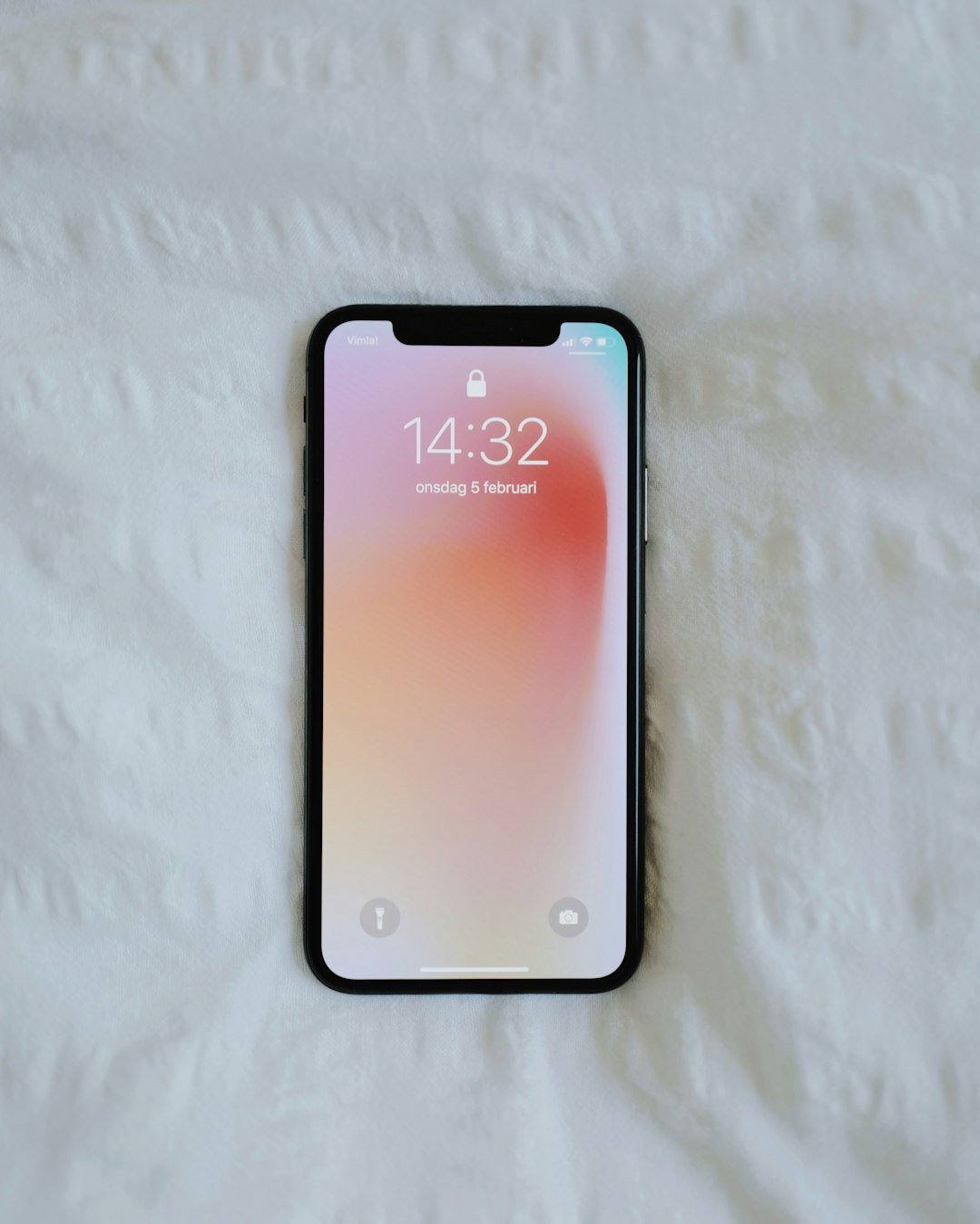
In Nebraska, the Do Not Call Registry plays a pivotal role in safeguarding residents from relentless telemarketing calls, but it extends far beyond voice communications. With the rise of digital messaging, spam texts have become an increasingly prevalent nuisance. This evolving landscape necessitates a strategic approach to protect citizens from unwanted text messages, especially given the difficulty of unsubscribing from certain services. Unlike traditional telemarketing, where blocking numbers and silencing calls can offer some respite, spam texts often arrive from unknown or spoofed sender IDs, making them harder to trace and stop.
Nebraska residents face a deluge of unsolicited text messages promoting everything from financial products to get-rich-quick schemes. According to recent data, over 70% of adults in the state report receiving spam texts at least once a week, with many describing it as a significant irritation. The challenge for consumers lies in distinguishing legitimate communications from fraudulent or harassing messages. This distinction is crucial, as responding to spam texts can inadvertently verify phone numbers, leading to even more unwanted contact. An attorney's role in this context is multifaceted; they must educate clients on the legal protections available, assist in identifying and reporting spam, and explore innovative strategies to combat this modern-day nuisance.
To effectively fight spam texts, New Mexico attorneys should encourage residents to implement robust privacy settings on their mobile devices, exercise caution when sharing contact information, and report suspicious messages to relevant authorities. Additionally, staying informed about emerging legal developments regarding spam texts is vital. For instance, some states have passed legislation that holds telemarketers accountable for sending spam and provides greater remedies for affected consumers. By combining technological awareness with legal expertise, attorneys can empower Nebraska residents to reclaim their digital space and protect themselves from this form of modern harassment.